Heart Explorer
Real-time Heart Monitoring
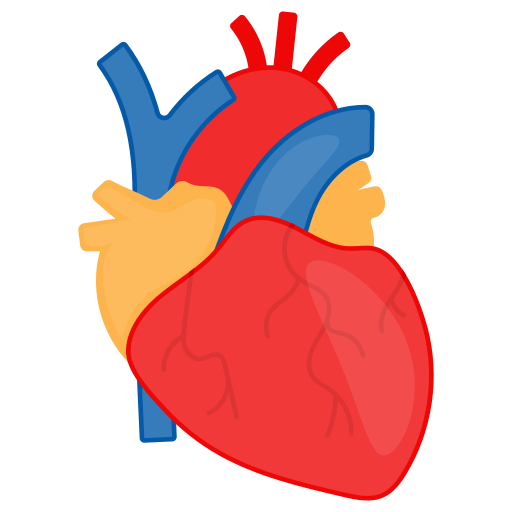
Your heart is beating at a normal rate. The animation shows a real-time representation of your heart's pumping action. A healthy resting heart rate for adults is between 60-100 beats per minute.
Real-time ECG Monitoring
ECG Condition Monitoring

Normal ECG

Arrhythmia

Tachycardia

Bradycardia
Atrial Fibrillation
Basic Heart Anatomy
The heart is a muscular organ about the size of a fist, located just behind and slightly left of the breastbone. The heart pumps blood through the network of arteries and veins called the cardiovascular system.
It has four chambers: the right and left atria, and the right and left ventricles. Valves between the chambers keep blood flowing in the right direction.

Heart Conditions
Common heart conditions include coronary artery disease, arrhythmias, heart valve disease, and heart failure. Symptoms can vary but often include chest pain, shortness of breath, palpitations, and fatigue.
Regular check-ups and maintaining a healthy lifestyle can help prevent many heart conditions.
Coronary Artery Disease
Build-up of plaque in the heart's arteries, which can lead to reduced blood flow and heart attacks.
Arrhythmia
Abnormal heart rhythms that can cause the heart to beat too fast, too slow, or irregularly.
Heart Failure
The heart doesn't pump blood as well as it should, leading to fatigue and shortness of breath.
Heart Valve Disease
One or more of the heart valves don't work properly, affecting blood flow through the heart.
Cardiomyopathy
Disease of the heart muscle that makes it harder for the heart to pump blood to the rest of the body.
Pericarditis
Inflammation of the pericardium (the sac surrounding the heart), causing chest pain and other symptoms.
Treatment Options
Treatment for heart conditions depends on the specific condition and its severity. Options may include lifestyle changes, medications, medical procedures, or surgery.
Lifestyle Changes
Healthy diet, regular exercise, quitting smoking, limiting alcohol, and stress management.
Medications
Blood thinners, beta-blockers, ACE inhibitors, statins, and cholesterol-lowering drugs.
Angioplasty & Stenting
A balloon is used to open blocked arteries and a stent is placed to keep the artery open.
Bypass Surgery
A healthy blood vessel is used to create a new path around a blocked or narrowed artery.
Pacemaker
A small device placed under the skin to help control abnormal heart rhythms.
Valve Repair / Replacement
Surgical correction or replacement of damaged heart valves to restore normal function.
Latest Research
Recent advances in cardiology are transforming how heart disease is detected, treated, and prevented. From AI-powered diagnostics to regenerative therapies, the future of heart health looks promising.
AI in Cardiology
Machine learning algorithms are being developed to predict heart disease risk and interpret ECGs with doctor-level accuracy.
Regenerative Medicine
Stem cell therapy and tissue engineering show promise for repairing damaged heart tissue after a heart attack.
Minimally Invasive Procedures
New techniques allow for complex heart procedures with smaller incisions and faster recovery times.
Wearable ECG Monitors
Smartwatches and patches can now detect atrial fibrillation and other arrhythmias in real-time.
Gene Therapy
Researchers are exploring ways to correct genetic defects that cause inherited heart conditions.
Novel Anticoagulants
New blood-thinning medications offer improved safety profiles and more convenient dosing for patients.
Health Calculators
Use these tools to better understand your heart health metrics.
Your Heart Rate Zones:
Diet Tips for Heart Health
A heart-healthy diet can lower your risk of heart disease and stroke. Focus on nutrient-rich foods and limit processed foods, saturated fats, and excess sodium.
Fatty Fish
Salmon, mackerel, and sardines are rich in omega-3 fatty acids that reduce inflammation and lower triglycerides.
Berries
Blueberries, strawberries, and raspberries are packed with antioxidants that protect against heart disease.
Leafy Greens
Spinach, kale, and collard greens are high in Vitamin K and nitrates that reduce blood pressure.
Nuts & Seeds
Almonds, walnuts, and flaxseeds provide healthy fats, fiber, and micronutrients essential for heart health.
Olive Oil
Rich in monounsaturated fats and antioxidants, olive oil is linked to reduced risk of heart disease.
Avoid Trans Fats
Limit processed foods, fried foods, and baked goods that contain trans fats and raise bad cholesterol.
Exercise Recommendations
Regular physical activity is one of the most important things you can do for your heart. Aim for at least 150 minutes of moderate exercise per week.
Brisk Walking
30 minutes of brisk walking daily can significantly reduce your risk of heart disease. Great for beginners.
Swimming
A full-body low-impact workout that improves cardiovascular endurance without stressing joints.
Cycling
Regular cycling strengthens the heart muscle, improves lung capacity, and reduces stress levels.
Yoga
Reduces stress hormones that damage the heart and helps lower blood pressure and heart rate.
Strength Training
Twice-weekly resistance training improves heart function and helps maintain healthy body weight.
Avoid Overexertion
Always warm up and cool down. Stop exercising if you feel chest pain, dizziness, or shortness of breath.
Emergency Heart Symptoms Guide
Chest Pain or Pressure
Crushing, squeezing, or pressure in the chest lasting more than a few minutes. May spread to arm, neck, or jaw.
⚠️ CALL 112 IMMEDIATELYShortness of Breath
Sudden difficulty breathing, especially at rest or with minimal exertion. Can occur with or without chest pain.
⚠️ SEEK EMERGENCY CARECold Sweat & Nausea
Sudden cold sweat, nausea, or lightheadedness combined with chest discomfort — classic heart attack signs.
⚠️ CALL 112 IMMEDIATELYArm / Jaw Pain
Pain or numbness radiating to the left arm, neck, back, or jaw — often a sign of a heart attack.
⚠️ CALL 112 IMMEDIATELYFainting / Loss of Consciousness
Sudden fainting or unconsciousness may indicate a serious arrhythmia or cardiac arrest.
⚠️ CALL 112 & START CPRIrregular Heartbeat
Sudden rapid, fluttering, or pounding heartbeat (palpitations) that doesn't go away on its own.
⚠️ SEE A DOCTOR URGENTLYHeart Risk Assessment Quiz
Answer these questions to understand your risk level for heart disease. This is for informational purposes only — always consult a doctor.
1. How old are you?
2. Do you smoke or have you smoked in the past?
3. How would you describe your physical activity level?
4. Do you have high blood pressure?
5. Do you have a family history of heart disease?
6. How would you describe your diet?
7. Do you have diabetes or high blood sugar?